
-
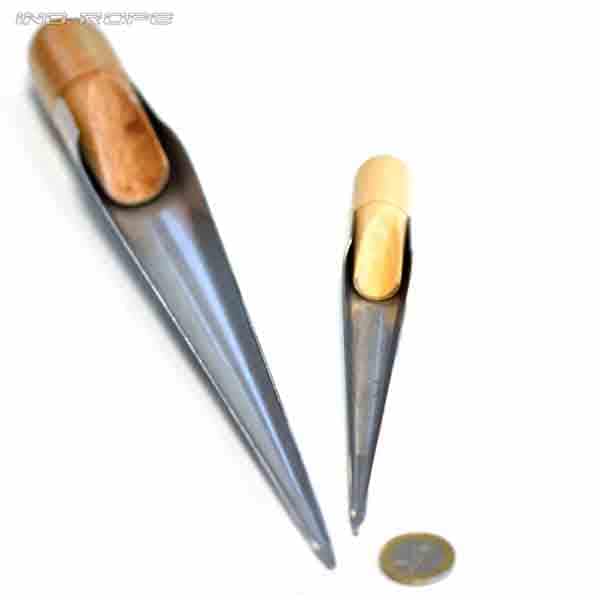 Seamanship splicerPrice range: 6,96 € through 15,60 € TTC
 -
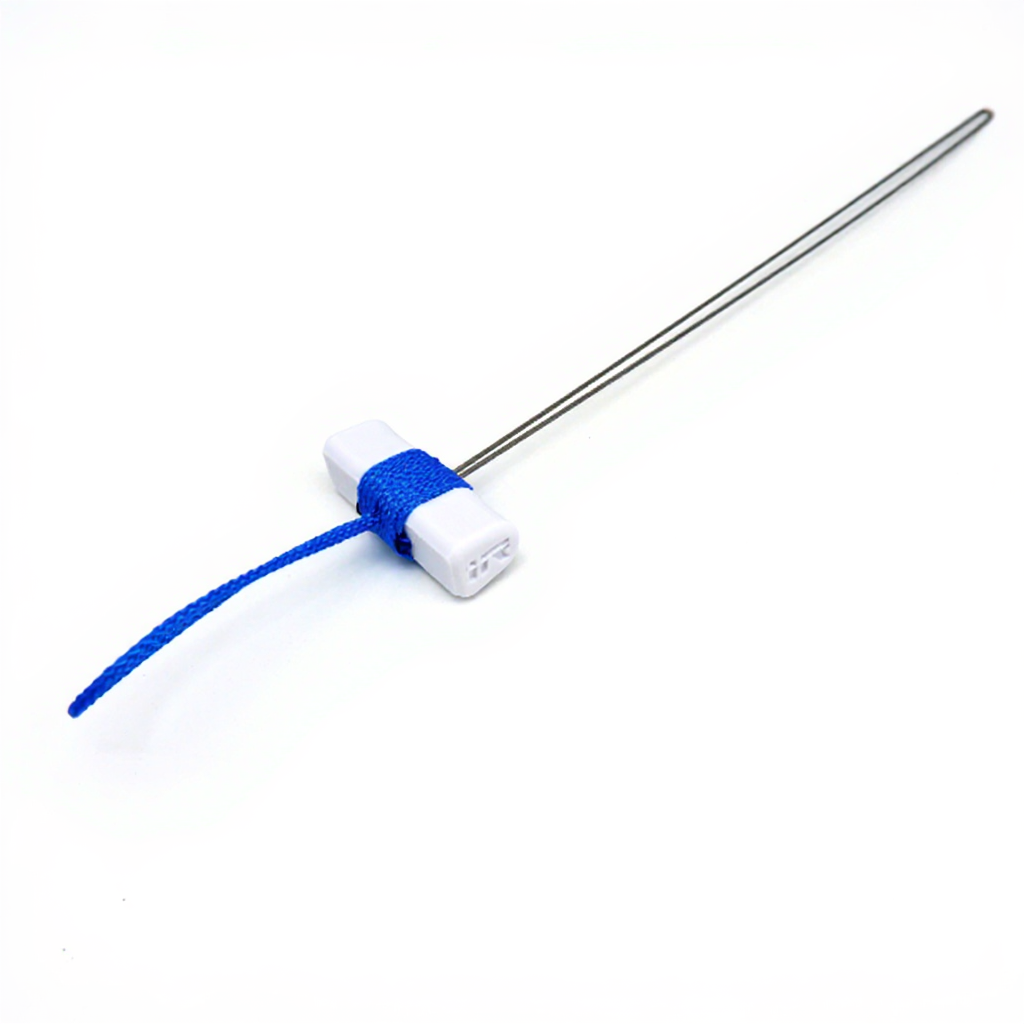 Long eye splicing needles for seamanshipPrice range: 16,90 € through 24,90 € TTC
 -
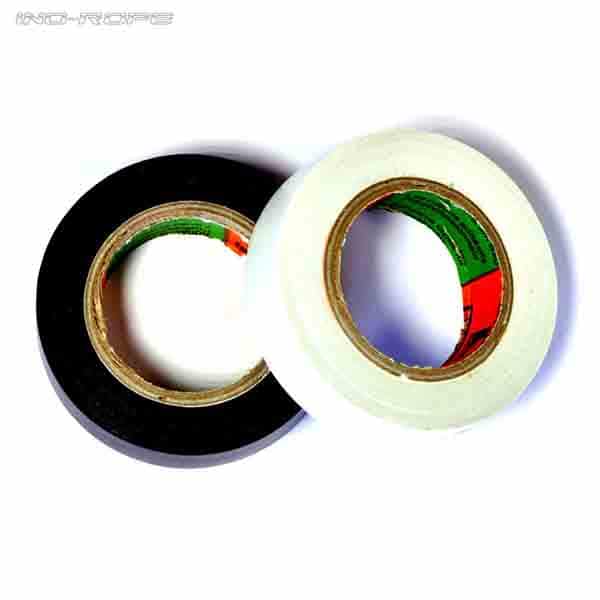 Electrical (and ropework) adhesive tape2,90 € TTC

To begin, as per the title, this video tutorial shows an ultra-practical and simple technique to splice a hollow braid without a needle. Adhesive tape is all you need to save the day, if you have forgotten your splicing kit. With her deep, smooth and sensual voice (a hiring requirement at Ino-Rope), our “female splicer” Camille, explains everything!
Splicing without a needle consists in using the rope, which is inserted into the braid like a needle – quite simply! In order to do this, Camille wraps the end with adhesive tape to make the rope stiff. That is why, it is essential to note that the “adhesive-tape needle” must be as fine and smooth as possible, in order to be fed into the braid without hooking onto the plaits. Camille splices in front of you to guide you!
To sum up: the adhesive tape technique enables:
On the one hand, splicing when there is no needle around.
On the other hand, splicing on a “tightly braided” rope when it is not possible to use a hollow fid or a long eye needle.
Voici un lien pour aller visionner cette vidéo directement sur notre chaîne Youtube : ici.

Making a constrictor termination How can you make a constrictor termination? Whipping is not the only solution for ending a rope. Simple and faster to accomplish, the “constrictor termination” is also very solid. Its other advantage is that it does not get stuck in clutches, cleats or blocks. It is also very aesthetic!Julien explains smoothly…
How do you make a textile shackle? The textile shackle is the star of modern splicing. Effectively ,as it is very light and robust, it has overtaken its stainless steel cousin for fixing blocks, sheets, halyards, etc. However, numerous versions are available on the market today. In short, we provide a tried and approved classic…
How to make a short and robust strop ? When you want to make a short Dyneema® braided strop, to fix a mainsail block and tackle, for example, you could be inclined to shorten the spliced length. A very bad idea because splices could slip! Nevertheless, there is a simple solution for making a short…
Lashing : tutorial With a lashing, you can do anything: replace block shackles, Jackline turnbuckles or even standing rigging ones. This practical tutorial with videos, teaches you the basics of lashing and provides several methods to accomplish them, with plenty of tips to help you ! Lashing : The basics A lashing with a Dyneema®…

The ultra-easy textile shackle without splice – the Ino-Rope style shackle It is commonly called “textile shackle”. The latter is now an essential component of modern splicing. Because they are light and robust, textile shackles have consequently surpassed their stainless steel cousin for the connection of blocks, sheets and other halyards. Therefore, numerous versions are…
How does the spliced eye on hollow braid work? What is a modern splice? With this video, you will understand the basis of what is known as modern seamanship, i.e. the art of making splices on ropes whose structure is a hollow braid. The principle consists of tucking part of the braid inside itself, here…
No products in the cart.