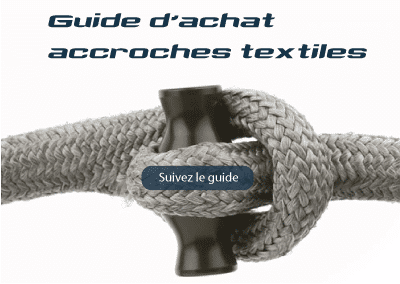
The emergency textile shackle without splice
In the “Panic on board” series, here is the very last episode: “get yourself out of the mess”! Thanks to this 100% practical tutorial, today you will learn how to make an emergency textile shackle with any rope and without needing to splice! One single condition: knowing how to make a diamond knot.
Two methods in order to make an emergency textile shackle
Making an emergency textile shackle does not require any tools (except for a knife). The splicing needle can stay nice and warm in its case; you only need a rope and your ten fingers. The type of rope doesn’t really matter as long as it is suitable for the load required of course. Resistance to chafing is also a point to consider. You can use Dyneema® but also sheathed polyester. They are two methods to make an emergency textile shackle See which one inspires you most !
The diamond knot: the textile shackle stopper
And because we are caring people, we didn’t want to leave behind those who don’t know how to make a diamond knot. This very aesthetic knot is named after the former tall-ship bosun, who used to give orders for manoeuvres with a whistle hanging around his neck. Modern splicing widely uses this knot which contributes to the opening /closing system of the textile shackle. Indeed, the diamond knot forms a stopper button that the eye of the splice passes around.
-
-
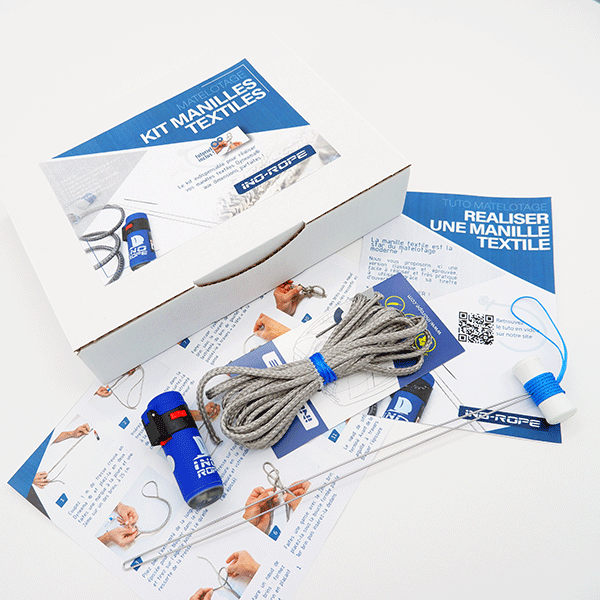 Le kit manille textile facile35,00 € TTC
 -
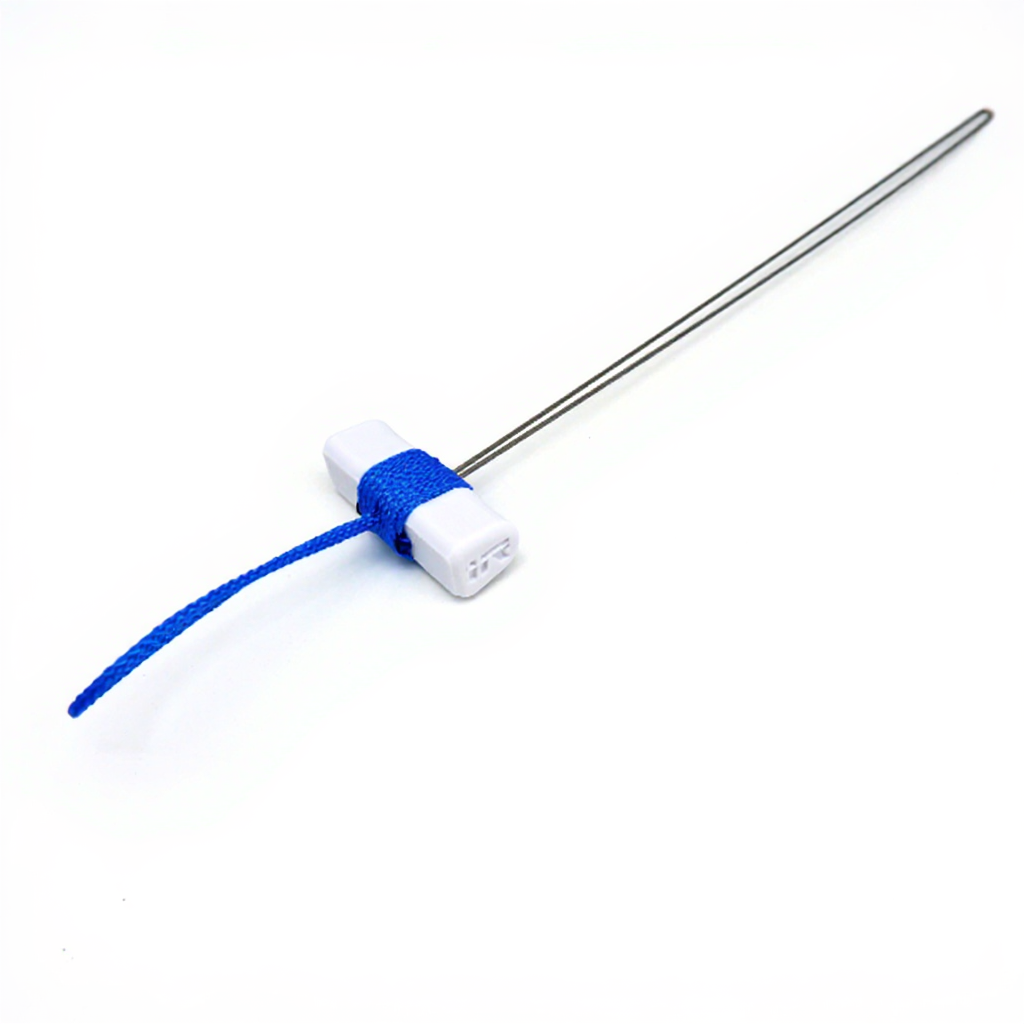 Long eye splicing needles for seamanshipPrice range: 16,90 € through 24,90 € TTC